Company Profile
Our Location

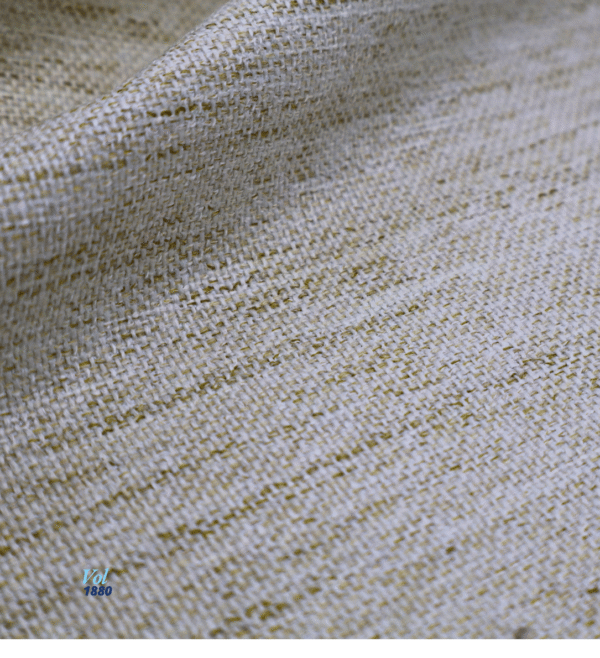
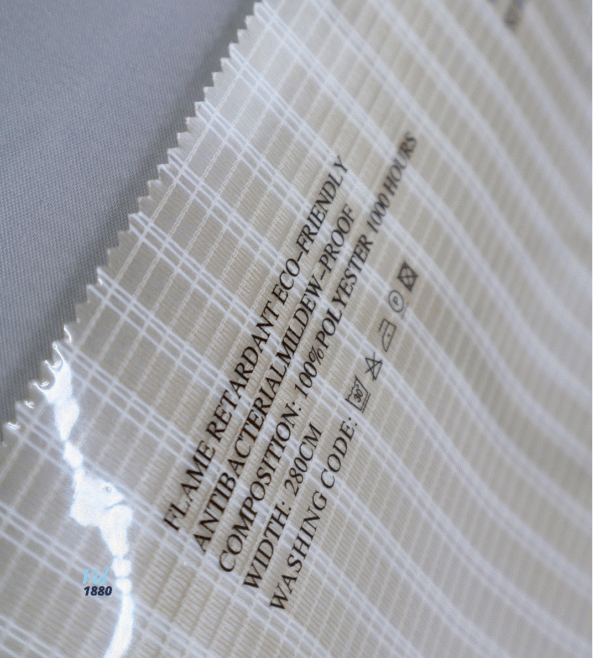
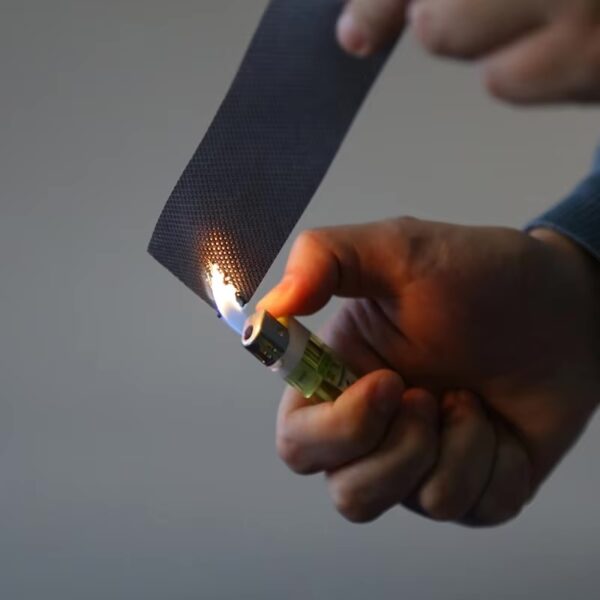
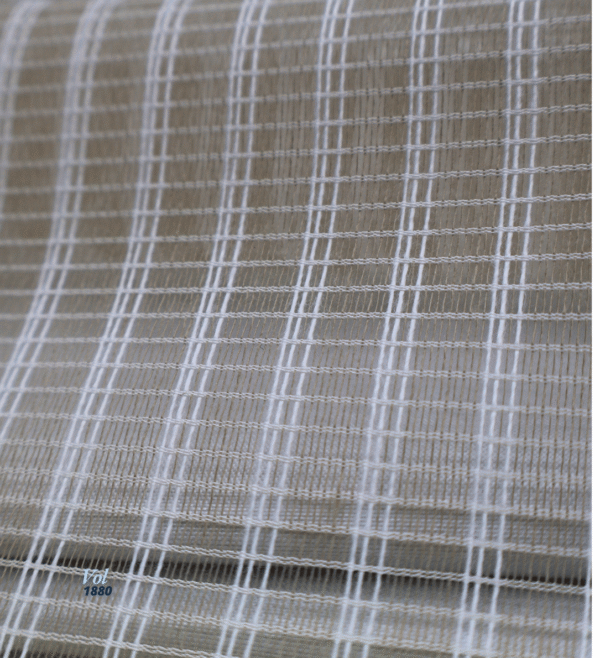
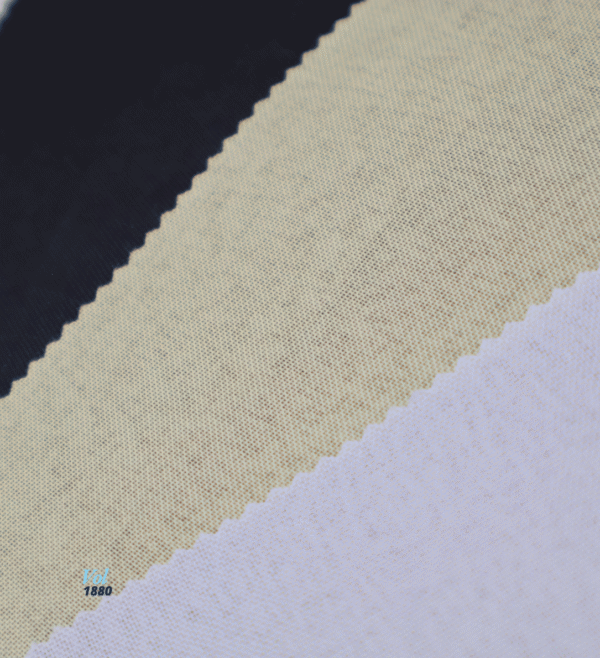
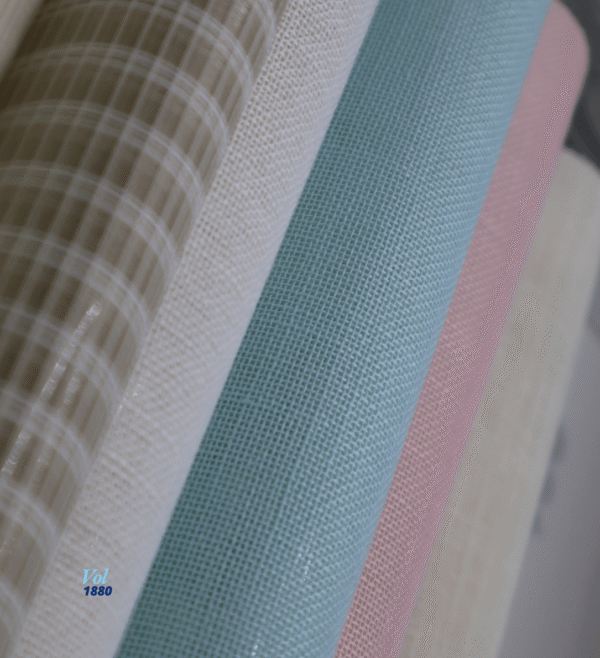
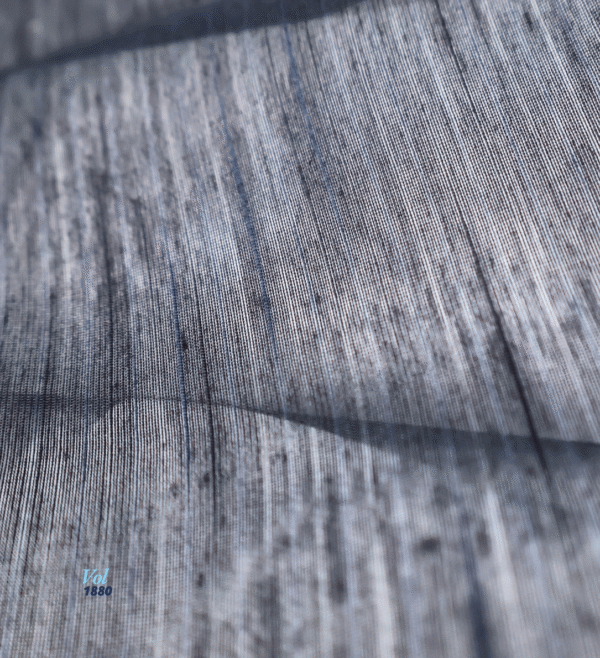
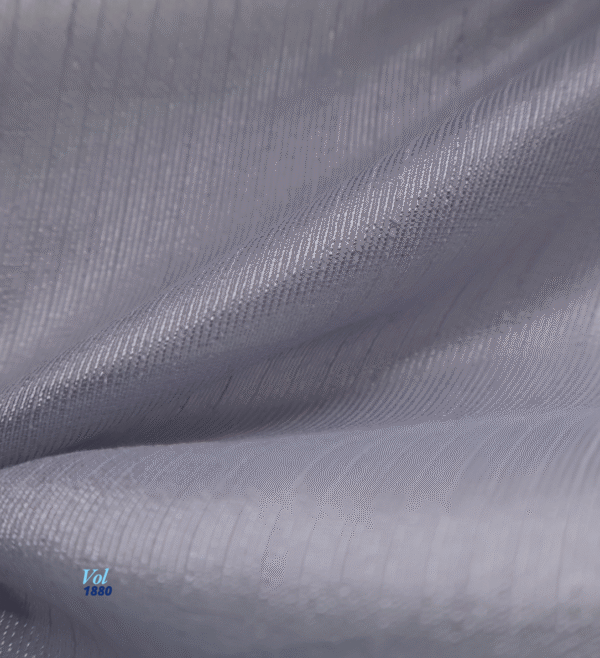
Engineered for maximum protection, our inherent flame-retardant fabric features flame resistance permanently built into the fiber structure. Unlike treated fabrics that can lose effectiveness over time, this fabric will not burn, melt, drip, or fuse to the skin when exposed to direct flame . Self-extinguishing properties ensure critical seconds of escape time in emergency situations. Ideal for high-risk industries including oil & gas, welding, electrical utilities, and firefighting. Available in multiple weights and blends to suit your specific safety requirements. Certified to international standards including EN ISO 11612, NFPA 2112, and ASTM D6413 .
Our inherent flame-retardant fabrics are trusted across:
Oil & Gas Industry: Refineries, drilling platforms, pipeline maintenance
Electrical Utilities: Arc flash protection, power generation
Welding & Metalwork: Foundries, fabrication shops
Firefighting & Rescue: Station wear, outer shells
Military & Defense: Tactical operations near fuel sources
Mining Industry: Underground operations
Chemical Processing: Acid and alkali exposure environments
Public Venues: Seating, drapery for establishments receiving public (ERP)
Flame-retardant fabrics fall into two distinct categories, and understanding the difference is critical for safety :

| Feature | Inherent FR Fabric (Our Product) | Treated FR Fabric |
|---|---|---|
| FR Source | Built into the fiber molecule | Chemically applied after weaving |
| Durability | Permanent for garment lifetime | Reduces with each wash |
| Response to Flame | Will not burn, melt, or drip | Self-extinguishing but may degrade |
| Fusion Risk | No melting—turns to ash | Can melt and fuse to skin |
Our inherent flame-retardant performance fabric represents the gold standard in protective textiles. The flame resistance is an intrinsic property of the specialized fibers themselves—typically advanced materials like aramid (Nomex®, Kevlar®), modacrylic, or FR viscose—not a chemical treatment applied after manufacturing .
When exposed to direct flame or extreme heat, this fabric will not ignite, melt, drip, or fuse to the skin . Instead, it forms a stable carbonized char that acts as an insulating barrier, providing critical escape time in flash fire scenarios . This behavior is fundamentally different from standard synthetic fabrics, which can melt and cause catastrophic secondary injuries .
Our IFR fabrics utilize sophisticated fiber blends and knitting structures optimized for maximum performance. Research demonstrates that specific fiber combinations—such as 70:30 Protex/Nomex or 70:30 Nomex/carbon blends—deliver the best balance of tensile strength, bursting strength, and flame resistance . The knitting architecture itself (cross-relief, cross-miss structures) significantly influences both protective performance and wearer comfort .
Modern IFR fabrics offer multi-functional performance:
Hydrophilic properties for moisture management and breathability—some variants absorb more moisture than cotton (up to 47%) for superior perspiration regulation
Inherent antistatic, anti-bacterial, and anti-microbial properties in advanced formulations
Chemical resistance against acids, bases, and detergents, maintaining integrity in harsh industrial environments
UV resistance ensuring protection doesn’t degrade with sun exposure
Low smoke and non-toxic emissions—critical for enclosed spaces and public venues
Key Benefits





Reviews
There are no reviews yet.